What Mindfulness Really Means—And What It Doesn’t
Dec 02, 2025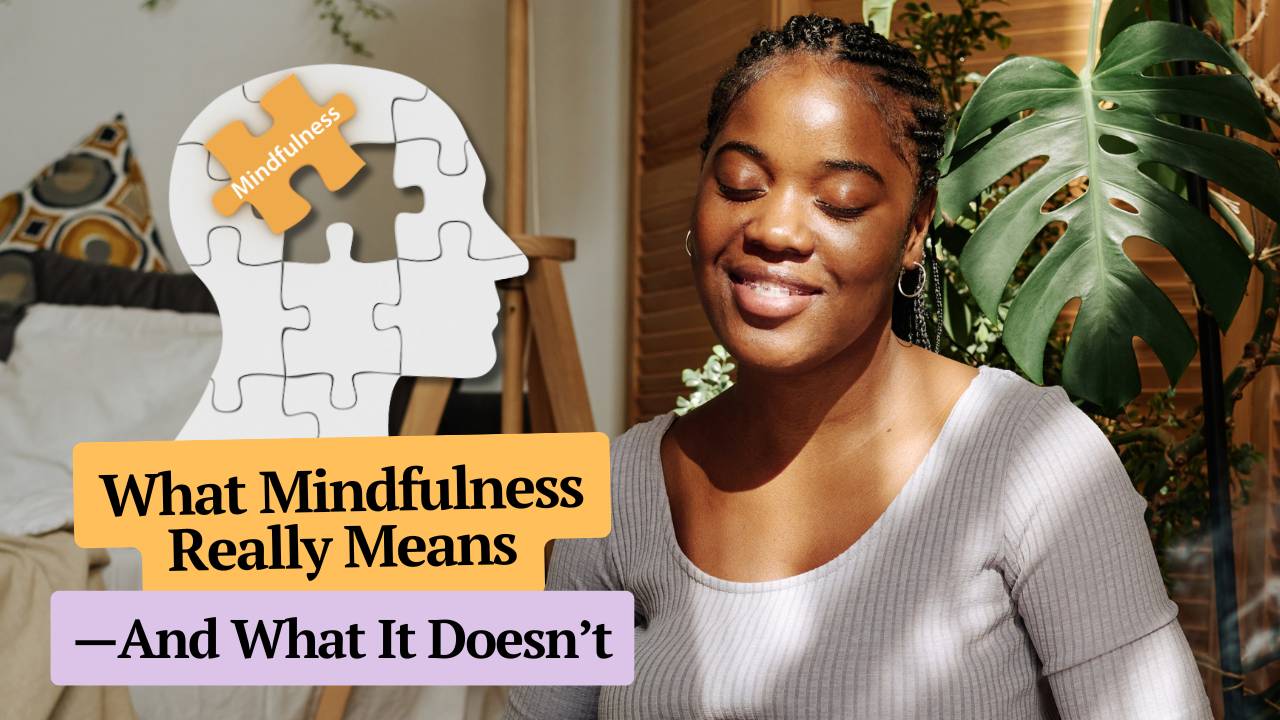
It was one of those days when my schedule was packed, my inbox was overflowing, and my mind felt like a noisy radio stuck between stations. In between client sessions, I poured myself a mug of tea and stood by the window for just a moment. My thoughts didn’t stop—they never do. But I noticed the weight of the mug in my hand, the steam rising, the swirl of red leaves outside. I breathed. For those few seconds, I was fully present. That’s mindfulness.
Mindfulness is not the absence of thought. It’s not a blank mind or a serene smile at all times. And it’s definitely not a performance. One of the most common misconceptions I hear—from clients and even fellow therapists—is that mindfulness means you have to silence your mind. But that’s like asking your heart to stop beating.
From a psychological perspective, mindfulness is the practice of paying attention, on purpose, in the present moment, and without judgment (Kabat-Zinn, 1990). From a spiritual lens, it’s about becoming more intimate with life as it is. It's a pathway to reconnect with yourself, Spirit, and the sacredness of the now—even when that now is messy.
In my therapy sessions, I often hear people say, “I can’t meditate. My brain won’t stop.” But mindfulness isn’t limited to meditation. It can happen while washing dishes, folding laundry, or even sitting in traffic. It’s about how you meet the moment, not what the moment looks like.
Try This:
1.) Shift from Silence to Sensing
Why It Works: Mindfulness isn’t about clearing your mind; it’s about engaging with it differently. How to Use It: Instead of trying to stop your thoughts, try tuning in to your senses. What do you hear, feel, or smell right now? Try This: Next time you feel overwhelmed, pause and name five things you can see, four you can touch, three you can hear, two you can smell, and one you can taste.
2.) Notice the Narrator
Why It Works: Bringing awareness to your inner dialogue helps reduce reactivity and builds emotional resilience. How to Use It: Pay attention to your self-talk without needing to change it. Curiosity creates space for choice. Try This: Spend 60 seconds noticing what your mind is saying right now. Then gently ask, "Is that true? Is it kind?"
3.) Use Anchors, Not Expectations
Why It Works: Anchors like breath or body sensations can gently bring you back to the present without pressure. How to Use It: Choose a single anchor—like the feeling of your feet on the ground—and return to it throughout the day. Try This: Set a reminder three times a day to pause and feel your feet. That’s mindfulness, too.
4.) Redefine Success
Why It Works: Letting go of perfection helps you stay consistent and avoid self-judgment. How to Use It: See each mindful moment as a win, no matter how brief. Try This: Keep a small journal and jot down one mindful moment per day. Reading it back at the end of the week can be surprisingly powerful.
Mindfulness isn’t about fixing yourself. It’s about noticing who you are right now—with compassion, curiosity, and a willingness to come home to yourself, again and again.
References:
Kabat-Zinn, J. (1990). Full Catastrophe Living: Using the Wisdom of Your Body and Mind to Face Stress, Pain, and Illness. New York: Delacorte.
[Client confidentiality respected: Any examples used are composites or shared with permission.]
✨ If this reflection on mindfulness resonated, you might appreciate one of my Cultivating Inner Peace self-study courses. Each one offers practical, accessible tools to help you stay grounded and connected in your daily life.