Why Inner Peace Returns When You Stop Arguing with Yourself
Feb 03, 2026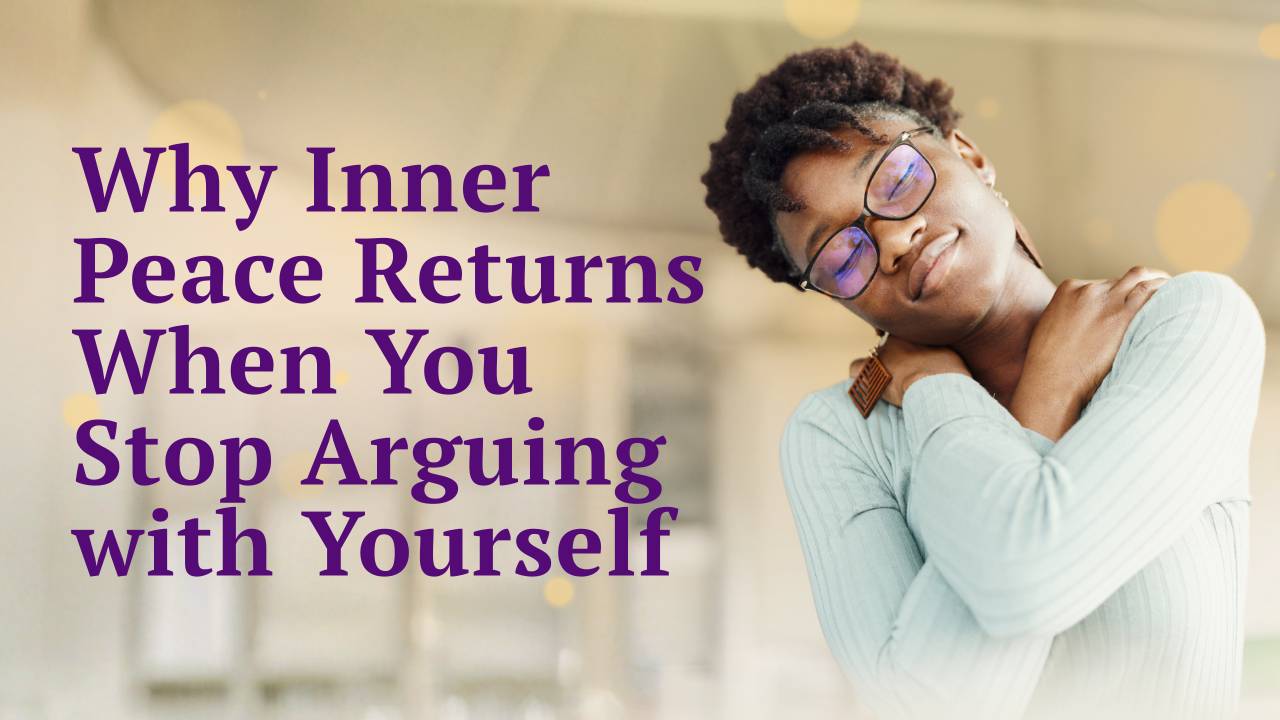
There was a moment recently when I noticed my inner peace thinning—not because anything was wrong, but because my mind wouldn’t let something rest.
Nothing had happened yet. There was no crisis unfolding. Just a decision sitting somewhere in the future, quietly demanding attention. I could feel myself circling it. Revisiting it. Trying to resolve tomorrow today.
My body noticed before my mind did. My shoulders lifted. My breathing became shallow. Peace didn’t disappear dramatically—it narrowed. Until I finally realized I was no longer present.
What surprised me wasn’t the tension. It was how quickly peace returned when I stopped trying to control the outcome.
I didn’t decide anything in that moment. I didn’t solve the problem. I simply stepped out of the internal debate.
And that was enough.
This is a pattern I see often—in my clients and in myself. Inner peace rarely disappears because of what we’re doing. It disappears because of the conversation we’re having with ourselves about what we should do. The mental back-and-forth. The future-focused rehearsal. The pressure to choose correctly, cleanly, without ambivalence.
Psychologically, this matters because prolonged rumination activates the stress response. Research consistently shows that repetitive thinking about unresolved decisions increases anxiety and emotional distress, keeping the nervous system in a state of vigilance rather than resolution (Nolen-Hoeksema, Wisco, & Lyubomirsky, 2008).
From a nervous-system perspective, the body does not distinguish between a real threat and an anticipated one. When we mentally argue with ourselves about the future, the brain reads uncertainty as danger. Control becomes the strategy we reach for—not because it works, but because it temporarily reduces discomfort (Porges, 2011).
This is why control so often masquerades as responsibility.
We tell ourselves we’re being thoughtful. Considerate. Prepared. But underneath, the system is bracing—trying to eliminate uncertainty before it arrives.
Peace doesn’t come from winning that internal argument.
Peace returns when the argument stops.
This is where the practice of choosing yourself gently becomes real. Choosing yourself doesn’t always mean opting out. It doesn’t always mean relief or enthusiasm. Sometimes it means releasing the struggle long enough for your nervous system to settle—trusting that you can meet whatever comes next without abandoning yourself.
Self-compassion research supports this. Studies show that responding to internal stress with gentleness rather than self-pressure is associated with greater emotional regulation, resilience, and psychological well-being (Neff, 2003; Neff & Germer, 2013). Gentleness isn’t indulgence—it’s regulation.
Spiritually, this kind of surrender isn’t passive. It’s an act of trust. Not in outcomes, but in your own capacity to stay present. It’s the decision to stop gripping tomorrow so tightly that today can’t breathe.
What many people miss is this: inner peace can coexist with ambivalence. With reluctance. With “this isn’t exactly what I wanted.” Peace does not require emotional certainty in advance. It requires self-trust in motion.
Try This
When you notice your peace slipping, experiment with these small, practical shifts.
1. Pause the internal courtroom
What it is: Stepping out of the mental prosecution and defense of every option.
Why it works: Rumination sustains physiological stress; interruption restores regulation.
How to do it: Say quietly, “I don’t need to resolve this right now,” and take three slow breaths.
2. Choose regulation before resolution
What it is: Letting your internal state lead rather than the decision itself.
Why it works: A regulated nervous system supports clearer thinking and wiser choices.
How to do it: Ask, “What would help me feel steadier in this moment?” even if the decision comes later.
3. Notice where control costs you calm
What it is: Identifying moments when overthinking replaces presence.
Why it works: Awareness loosens habits that operate automatically.
How to do it: Gently ask, “Am I trying to manage the future instead of being here now?”
4. Allow without requiring agreement
What it is: Letting something move forward without forcing emotional buy-in.
Why it works: Peace doesn’t require enthusiasm—only self-trust.
How to do it: Remind yourself, “I can allow this without needing to like it.”
When I returned to that earlier moment—the one where peace had narrowed—I noticed something important. The external situation hadn’t changed. What had changed was my grip.
And in that release, peace returned—not because life had cooperated, but because I had stopped fighting myself.
That, too, is choosing yourself gently. Again and again.
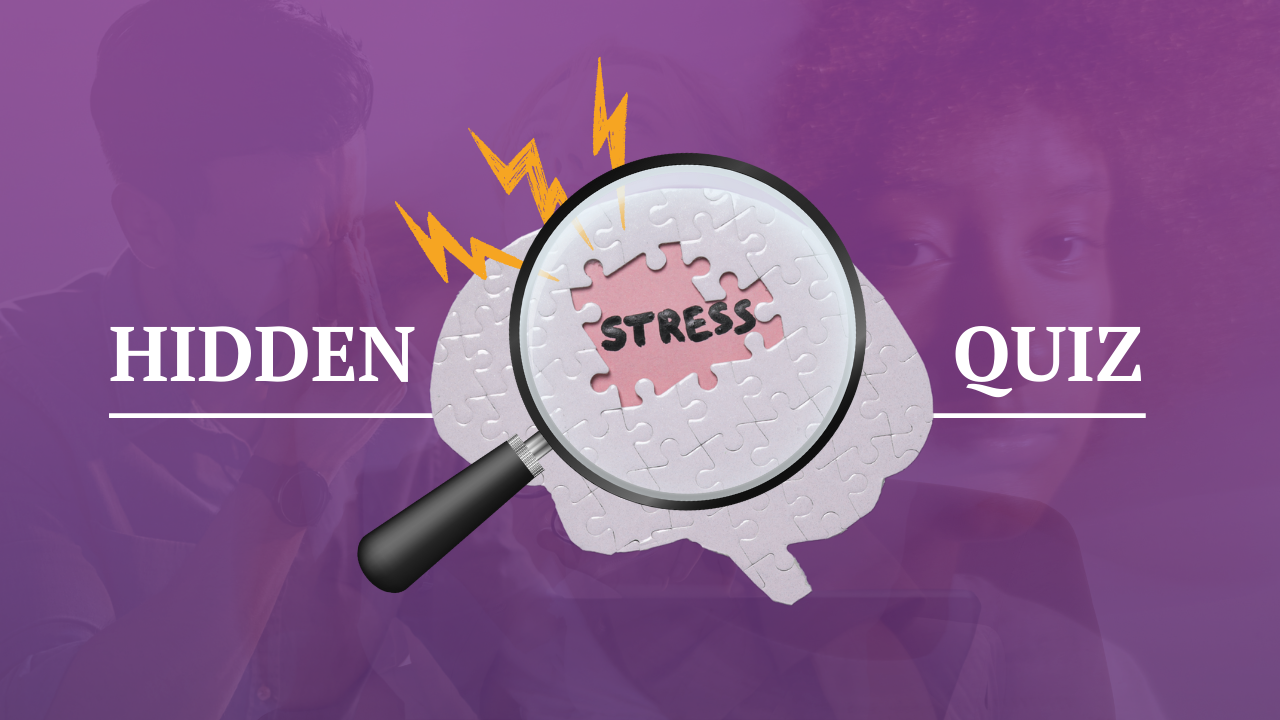
If you’re curious where your peace has been thinning or where your nervous system may be carrying more than it needs to, the Hidden Stress Quiz offers a quiet place to begin. It helps you see where stress is showing up and what might help you return to center—without needing to decide or fix anything yet.
References
Neff, K. D. (2003). Self-compassion: An alternative conceptualization of a healthy attitude toward oneself. Self and Identity, 2(2), 85–101.
Neff, K. D., & Germer, C. K. (2013). A pilot study and randomized controlled trial of the Mindful Self-Compassion program. Journal of Clinical Psychology, 69(1), 28–44.
Nolen-Hoeksema, S., Wisco, B. E., & Lyubomirsky, S. (2008). Rethinking rumination. Perspectives on Psychological Science, 3(5), 400–424.
Porges, S. W. (2011). The polyvagal theory: Neurophysiological foundations of emotions, attachment, communication, and self-regulation. W. W. Norton & Company.