I Didn’t Want to Be Labeled—So I Avoided Therapy
Mar 24, 2026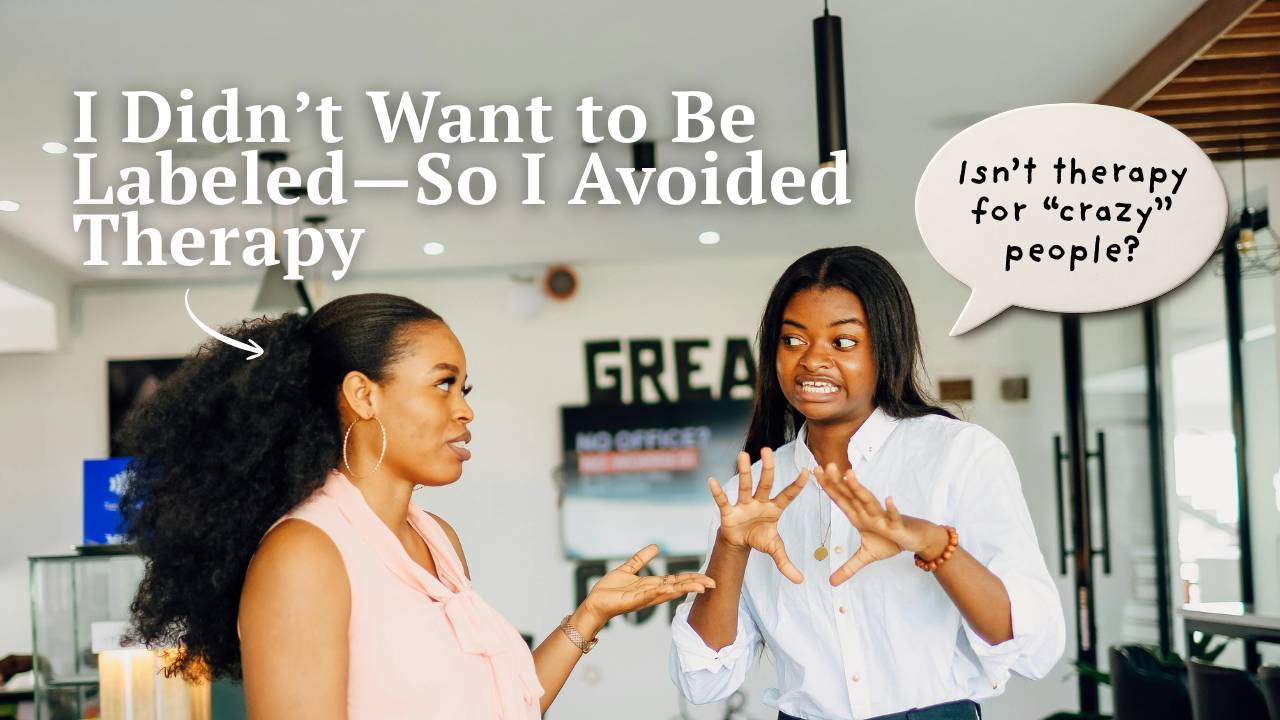
Therapy continues to carry a powerful stigma. Many people worry that walking into a therapist’s office means being judged, diagnosed, or reduced to a label that doesn’t reflect who they really are. As part of my upcoming book, You Don’t Have to Be Crazy to See a Therapist, I’m sharing stories from my clinical work to help demystify what therapy actually looks like—and how it can support people without turning them into a diagnosis.
The stories in this series are drawn from my work as a psychologist. Identifying details have been changed, and some stories are composites of clients with similar experiences or themes. My hope is that these narratives help clarify what therapy is—and what it isn’t.
When Marcus first reached out, one of the very first things he said was this:
“I don’t want to be labeled.”
He didn’t say it defensively. He said it carefully, like someone who had thought about it for a long time.
“I’m not trying to find out what’s wrong with me,” he added. “I just want to understand what’s going on.”
That distinction mattered.
Marcus had delayed therapy for years because he believed it would turn him into a checklist. Symptoms matched to diagnoses. Stories flattened into categories. Context ignored. He worried that once something was written down, it would define him more than his full life ever could.
“I’ve already been misunderstood enough,” he said. “I don’t need a professional version of that.”
That fear didn’t come out of nowhere.
Many people—especially those from marginalized communities—have experienced being judged, misread, or pathologized in systems that were never designed to hold their full humanity. For them, the idea of therapy can feel less like support and more like surveillance.
Marcus wasn’t afraid of insight. He was afraid of reduction.
What surprised him was how much therapy wasn’t about labeling.
Instead of starting with diagnoses, we started with questions.
What had he lived through? What had shaped the way he responded to stress? What made sense, given his history, relationships, and responsibilities?
When he described his anxiety, it wasn’t treated as a flaw to be fixed. It was understood as information. A signal. A response that had once been useful—even if it was now exhausting.
At one point he said, almost relieved:
“So you’re not saying something is wrong with me.”
“No,” I said. “I’m saying something happened to you—and your reactions make sense.”
That moment mattered more than any label ever could.
Therapy, at its best, doesn’t strip people down to diagnoses. It places their experiences in context. It asks why patterns developed before deciding what to do with them. It recognizes that symptoms often tell a story about adaptation, survival, and unmet needs—not personal failure.
Over time, Marcus stopped bracing himself in sessions. He spoke more freely. He stopped translating his experiences into “acceptable” language and started telling the truth.
“I thought therapy would make me feel smaller,” he said later. “It actually helped me feel more understood.”
That’s the difference.
Being seen is not the same as being labeled. Understanding is not the same as pathologizing.
And therapy—when practiced with care—isn’t about deciding who you are. It’s about helping you make sense of what you’ve carried.
Client details have been changed to protect confidentiality.
If this story resonated, I encourage you to share it with someone who may be curious about therapy but worried about being judged or labeled. These stories are part of my upcoming book, You Don’t Have to Be Crazy to See a Therapist, which explores common myths about therapy, what actually happens in the room, and how people use therapy not because they’re broken, but because they want to live with more clarity, ease, and self-understanding.
If you’d like a practical next step, you can download my free guide, How to Interview a Therapist (So You Actually Find the Right One)—a practical guide to choosing a therapist who fits you, not the other way around. You’ll also be the first to know when the book is released and when new stories in this series are published.