Why Labor Day Is About More Than Work
Sep 01, 2026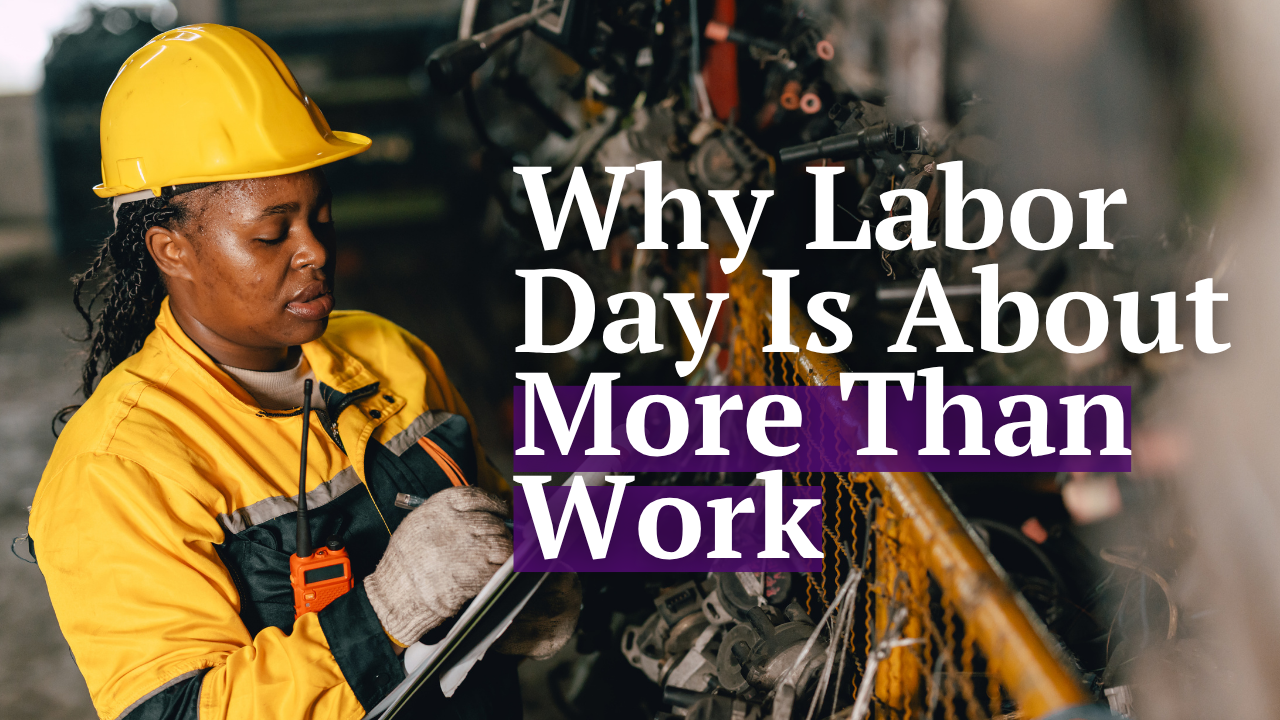
Every year, during the week before Labor Day, I find myself standing in Costco.
The carts are overflowing.
Parents are comparing school supply lists while trying to keep children entertained.
College students are loading up on everything from bedding to shower caddies.
Someone is buying hamburgers for one last cookout.
Someone else is buying notebooks and pencils.
The lines are long, and almost everyone seems to be in a hurry.
As I wait to check out, I usually have the same thought.
For a holiday that's supposed to celebrate work, very few people look like they're preparing to rest.
Instead, it feels as though we're trying to squeeze one more week into one long weekend.
There are lunches to pack.
Closets to organize.
Cars to unload.
Emails to answer.
Calendars to update.
Somewhere along the way, many of us have come to believe that a day off is simply another opportunity to catch up.
Before Labor Day arrives this year, I'd like to offer a different perspective.
What if the holiday wasn't just a break from work?
What if it was a reminder that the person doing the work deserves to be cared for, too?
As a psychologist, I spend a great deal of time talking with people about stress, burnout, and emotional well-being.
One of the patterns I see most often is that people don't struggle because they work hard.
They struggle because they rarely recover.
Recovery isn't laziness.
It's one of the ways our minds and bodies prepare us to return to work with greater focus, creativity, patience, and resilience.
Research in occupational psychology has found that recovery experiences help reduce burnout and improve well-being. Psychologist Sabine Sonnentag describes recovery as more than simply not working. It includes mentally disconnecting from work, relaxing, engaging in enjoyable activities, and having some control over how we spend our free time (Sonnentag & Fritz, 2007).
In other words, rest isn't just the absence of work.
It's an active process that helps us restore ourselves.
I've noticed this in my own life.
Most mornings begin with a walk.
Sometimes I'm listening to an audiobook about ADHD or psychology.
Sometimes it's a good mystery on one of my "no thinking" days.
But almost every walk includes a moment when I turn the audio off.
I listen to the birds.
I notice the wind.
I simply pay attention.
I've learned that those few quiet minutes don't take time away from my work.
They help me become the person I want to be before I begin the work.
As we move from the slower rhythm of summer into the busier pace of fall, I think that's a lesson worth remembering.
Try This
1. Schedule Recovery Before the Weekend Fills Up
What it is: Making time for rest before your calendar makes the decision for you.
Why it works: If rest isn't planned, it often gets replaced by errands and obligations.
How to do it: Choose one hour this Labor Day weekend that belongs only to you. Protect it the same way you would any important appointment.
2. Disconnect From Work
What it is: Giving your mind permission to leave work behind for a while.
Why it works: Our brains recover more fully when we're not continually thinking about work-related tasks.
How to do it: Silence your work notifications, close your email, and resist the urge to "just check one thing."
3. Do Something That Restores You
What it is: Choosing activities that leave you feeling renewed rather than depleted.
Why it works: Recovery looks different for different people. The goal isn't doing nothing. It's doing something that nourishes you.
How to do it: Take a walk, read a novel, spend time with family, sit on the porch, garden, or simply enjoy a quiet cup of coffee without rushing to the next task.
4. Ask Yourself One Different Question
What it is: Shifting your focus from productivity to well-being.
Why it works: The questions we ask ourselves influence the choices we make.
How to do it: Instead of asking, "What else can I get done this weekend?" ask, "What do I need so I can return to my work feeling restored?"
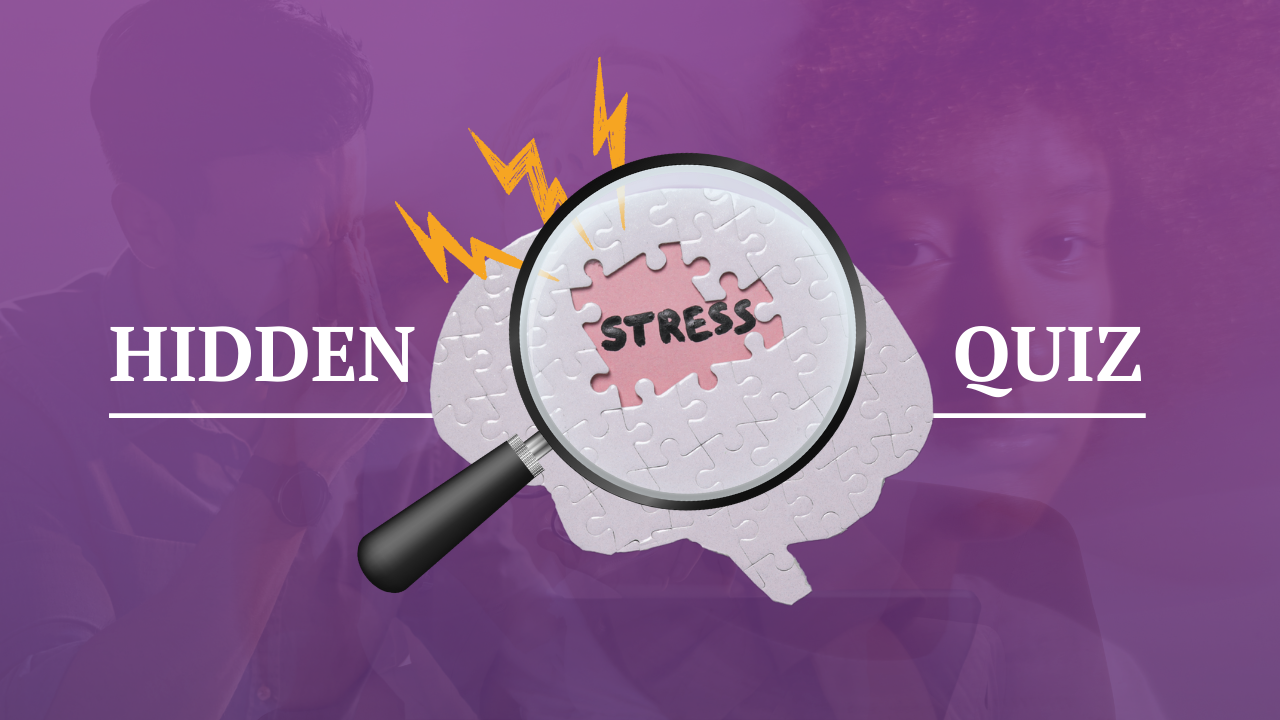
If the idea of slowing down feels uncomfortable, or if you're not even sure what genuine rest looks like anymore, you may be carrying more stress than you realize.
My Hidden Stress Quiz was created to help you recognize some of the subtle ways chronic stress can affect your mind, body, and relationships before burnout becomes obvious.
By the time Labor Day arrives in a few days, I suspect Costco will be even busier.
The carts will still be full.
The lines will still be long.
People will still be trying to fit one more thing into the weekend.
My hope is that you'll be a little different.
I hope you'll enjoy the cookout.
Run the errands that matter.
Get the kids ready for school.
And somewhere in the middle of it all, I hope you'll give yourself permission to recover.
Because the quality of your work is shaped by the quality of your rest.
And the person doing the work deserves to be cared for, too.
References
Sonnentag, S., & Fritz, C. (2007). The Recovery Experience Questionnaire: Development and validation of a measure for assessing recuperation and unwinding from work. Journal of Occupational Health Psychology, 12(3), 204–221.
Walker, M. (2017). Why We Sleep: Unlocking the Power of Sleep and Dreams. Scribner.